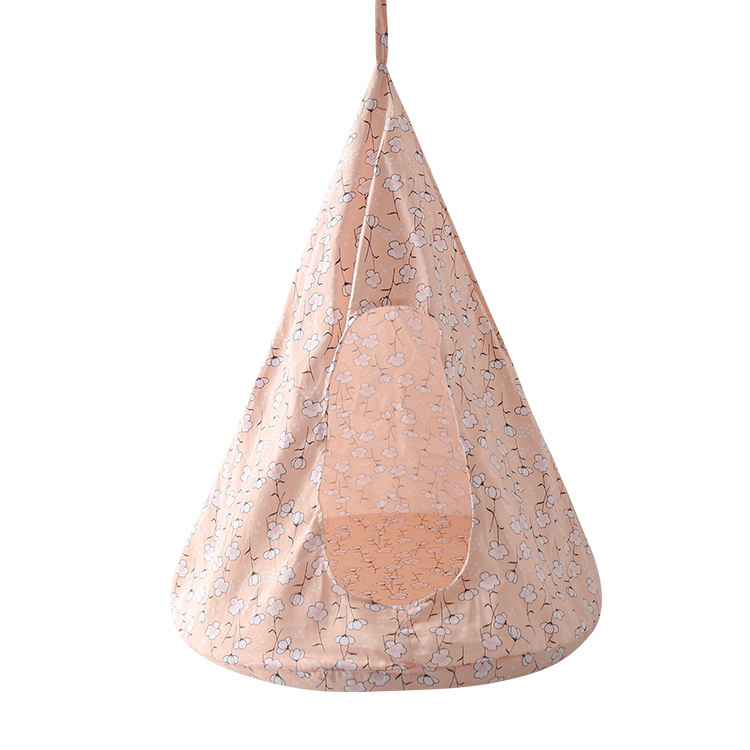
Hanging nest — up high, not on the floor
From 23,90 €
Cats climb, scratch and hide. Your living room does not have to suffer.
Hiding is not fear. A cat that takes cover recovers: it sleeps more deeply in an enclosed space because it no longer has to watch its back. A cat with no refuge sleeps badly, and a cat that sleeps badly becomes irritable.
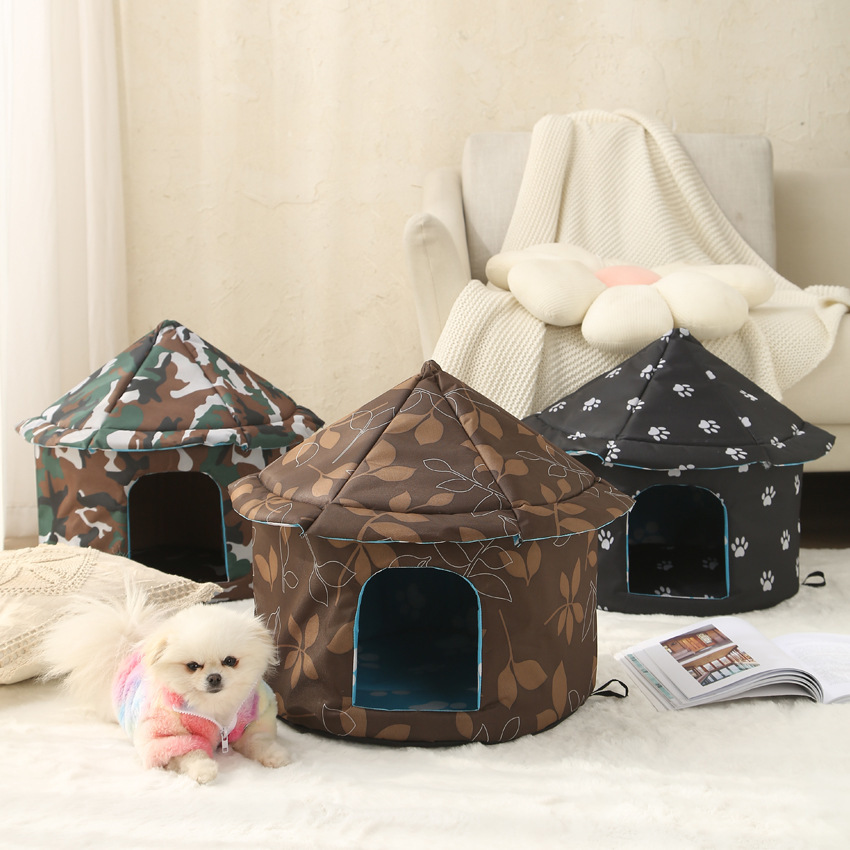
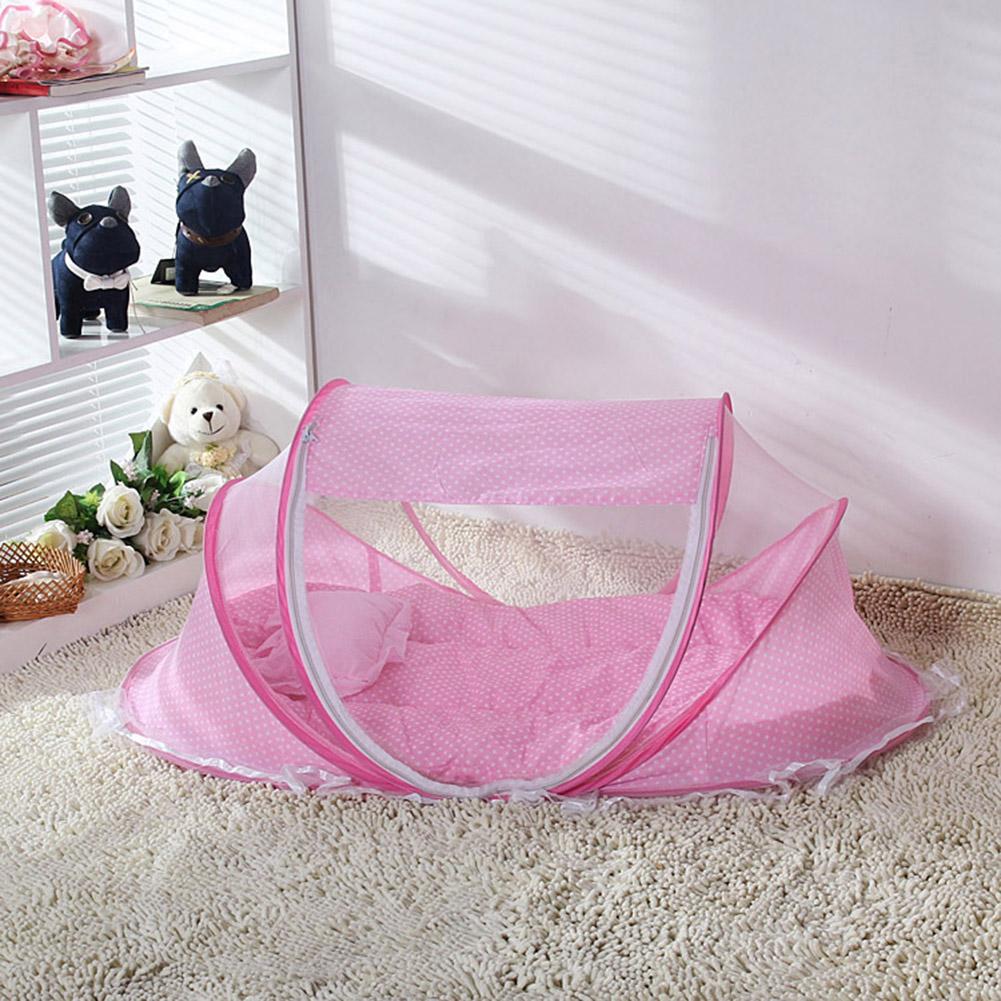
Size matters more than apparent comfort. A cat picks a shelter that fits it — contact with the walls is what reassures, not space. An oversized basket stays empty while it curls up in a shoebox. The practical rule: a hideaway barely bigger than the cat curled up.
Placement decides the rest. A refuge set in the middle of a busy room is not one. Against a wall, in a corner, out of the traffic, and preferably raised: a cat wants to see without being seen.
A tunnel plays a different role: it is a toy as much as a hideaway, and it mainly serves young cats or multi-cat homes. A solitary adult will almost always prefer an enclosed, stable space.
See also our **Save the sofa** and **A place in the sun** aisles.